Journal · Practice
Yoga at altitude: what to expect in the mountains
October 20, 2026 · 5 min read
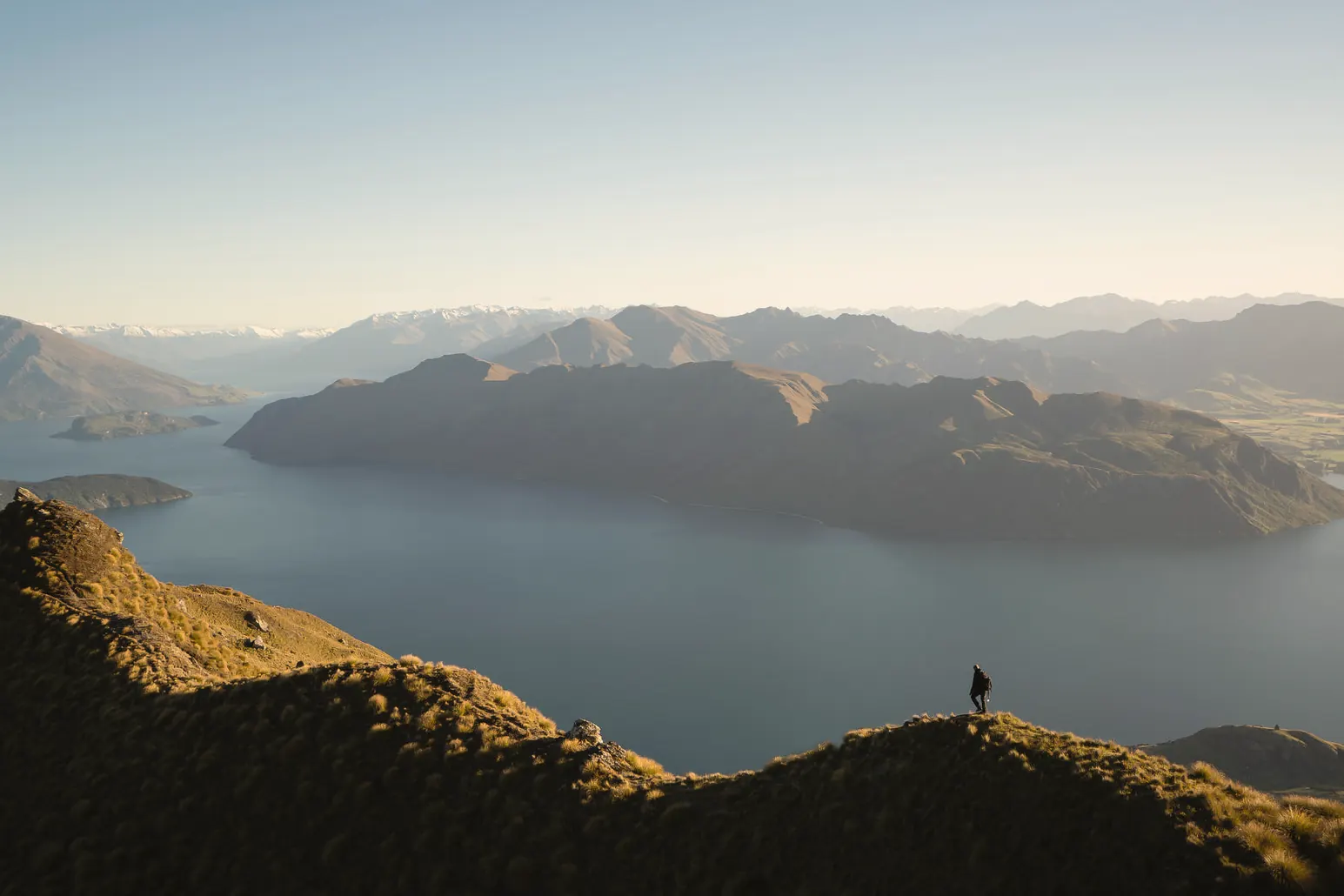
The first morning class in the mountains surprises a lot of people. Poses that feel easy at home suddenly leave you short of breath, and a gentle walk up a hill feels like hard work. That is completely normal.
Why it feels harder
At higher elevations the air pressure is lower, so each breath brings in less oxygen. Your body adapts over a few days, but in the meantime your heart and lungs work harder for the same effort.
Take the first two days easy
On our Colorado retreat, the first two days are deliberately slow. Classes focus on long, comfortable breathing and steady poses. Save the challenging flows and longer hikes for later in the week.
Drink more water than feels necessary
Mountain air is dry, and you lose more water through breathing than you would at sea level. Keep a bottle with you in class and on the trail.
Be gentle with breathwork
Strong breath-holding exercises are best avoided at altitude. Slow nasal breathing with a slightly longer exhale is a better choice and helps many people feel calmer.
Sleep may change
Some people sleep lightly for the first night or two. A restorative class in the evening and an early dinner can help.
Know when to stop
Headache, dizziness, nausea or unusual breathlessness are signs to rest and tell someone. If symptoms get worse, going to a lower elevation and seeing a medical professional is the right move. If you have a heart or lung condition, talk to your doctor before you travel.
With a little patience, most people feel at home by day three, and the views from the trail make every slow step worth it.